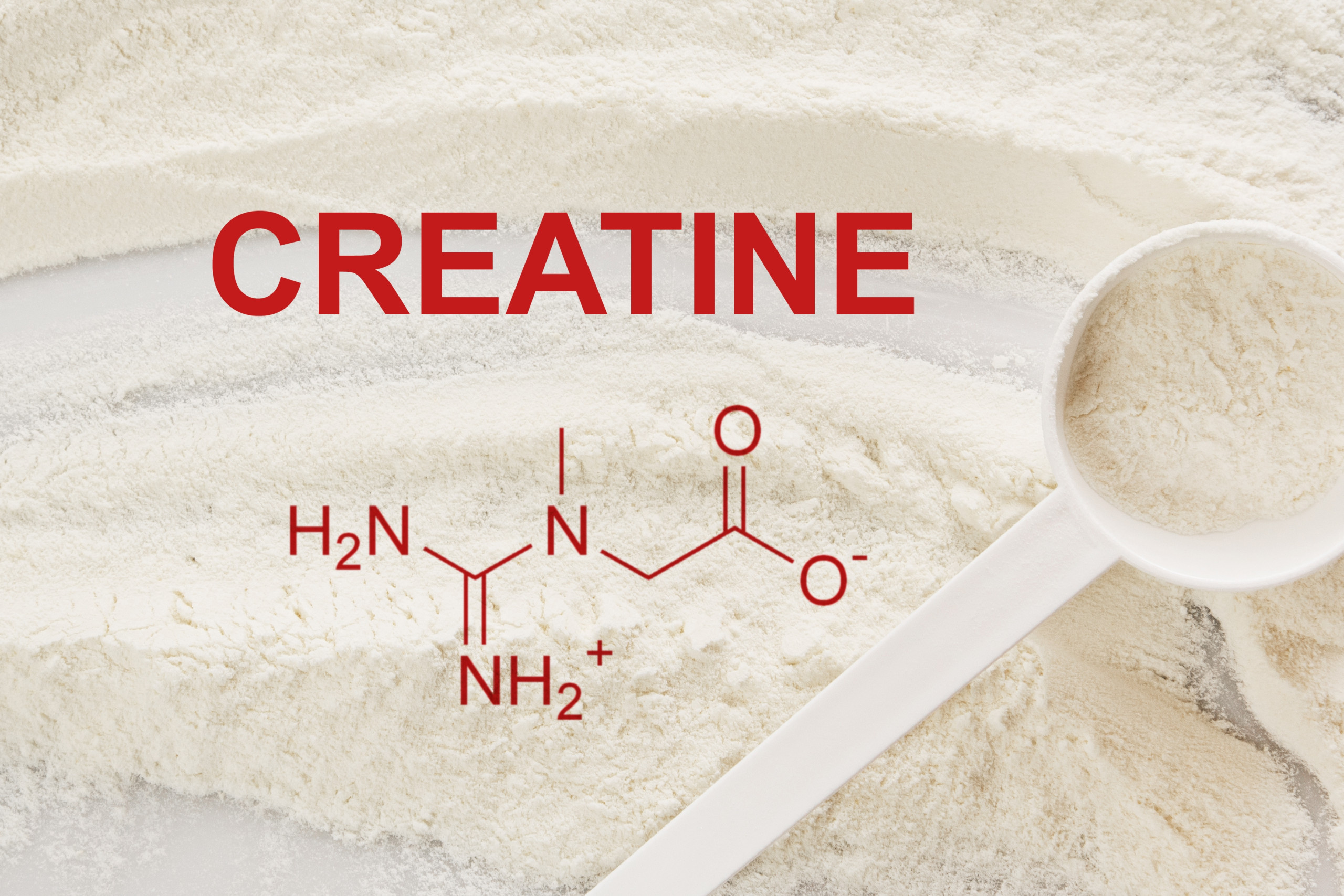
If you spend any time in a gym or scrolling fitness content, chances are you’ve heard a lot about creatine lately. Once associated mainly with young men chasing muscle mass, creatine is now being discussed across all ages, genders and fitness goals – from strength training to brain health. So what actually is creatine, why is it getting so much attention, and is it safe?
What is creatine?
Creatine is something your body already makes. It’s stored mostly in your muscles, with smaller amounts in the brain and heart. You also get creatine from foods like meat, chicken and fish – although typically in fairly small amounts. Inside your muscles, creatine plays a key role in producing fast energy. When you lift weights, sprint, jump or push hard during a workout, your body relies on a rapid energy system to fuel those efforts. Creatine helps recycle energy quickly so your muscles can keep working at a high intensity.
What are the benefits?
- Strength, performance and recovery
Creatine is one of the most researched supplements, with consistent evidence showing that when combined with resistance training it improves strength, power and overall training capacity. By helping you repeat high-intensity efforts, it allows you to train harder and recover better between sets and sessions, supporting greater long-term training adaptations. - It’s not just for men
One of the biggest shifts in recent years has been the growing interest in creatine for women. Research shows that women tend to have lower creatine stores than men, partly due to lower dietary intake and hormonal differences. There’s growing interest in creatine across the female lifespan – including pre-menopause, peri- and post-menopause. When combined with resistance training, creatine may help support muscle strength, lean mass and even bone health in older women. Importantly, women can gain strength and performance benefits without the “bulky” look many worry about. - Brain and mental performance
Creatine isn’t just a muscle supplement. The brain has very high energy demands, especially during stress, sleep deprivation or periods of intense mental load. Emerging research suggests creatine may support cognition, mood and mental performance – an area that’s receiving increasing attention.
How do you use creatine?
The most effective and well-researched form is creatine monohydrate. There are two common ways to use it:
- Loading option: This is useful if your goal is to gain muscle mass and weight. Take around 20–25 g per day (usually split into 3–4 doses) for 5 days, then continue with a maintenance dose of 3–5 g daily
- No loading option: Take 3–5 g per day consistently and allow muscle stores to build over 3–4 weeks
Both approaches work – loading just gets you there faster.
Does creatine cause weight gain?
This is probably the most common concern. Any increase in body weight with creatine is usually due to water being drawn into muscle cells, not fat gain. This effect is more noticeable during higher “loading” doses and is more pronounced in men, who generally store more water in muscle and have a greater capacity to build mass due to higher anabolic hormone levels. When taken at standard maintenance doses (3–5 grams per day), many people notice little or no change on the scale.
Is creatine safe?
Creatine is one of the most extensively studied supplements available. Research consistently shows that creatine monohydrate is safe for healthy adults when taken at recommended doses. That said, a few sensible cautions apply:
- People with existing kidney disease should seek medical advice before supplementing
- Evidence in pregnancy is still limited, so professional guidance is important
- It’s not generally recommended for under-18s due to a lack of long-term research
- Some people experience mild stomach upset at higher doses
Quality also matters. In Australia, supplements are regulated by the TGA, so choose reputable brands that are third-party tested and be cautious with overseas online products.
The bottom line
Creatine is not a magic fix – but it is one of the most well-researched supplements available. For those engaging in resistance training, high-intensity exercise, or looking to support muscle and potentially cognitive health, it can be a useful tool.
As with all supplements, it should complement – not replace – a balanced diet, structured training program and adequate recovery.
If you’re considering creatine and would like personalised guidance to ensure it aligns with your health status and training goals book an appointment here.